

Finding a Glassware supplier is not particularly difficult. Finding one that can supply the right products, pack them properly and handle repeat orders is a different matter.
For importers, wholesalers and hospitality buyers, a glassware order involves more than the unit price. A Wine Glass may look good in a product photo, but buyers also need to consider its dimensions, weight, packaging, availability and suitability for the end market.
If you are sourcing glassware for resale, restaurants, hotels, bars or other commercial use, here are seven things worth checking before placing a bulk order.
1. Make Sure the Supplier Has the Right Products
Start with the products you actually need. A supplier may offer a large catalogue, but that does not necessarily mean every item is suitable for your market.
For example, a wine glass for a restaurant may need to be practical for everyday service and washing. A glass intended for a gift shop may place more emphasis on appearance, decoration or gift packaging.
The same applies to other categories. Beer Mugs, Pint Glasses, Whiskey Glasses, Tumblers and Champagne Flutes all serve different purposes.
Before requesting a quotation, prepare a shortlist of the styles you are interested in. If you have a reference photo, product code or target capacity, share it with the supplier. This makes it easier to compare similar products rather than comparing prices for glasses with different specifications.
2. Check the Actual Product Specifications
Product photos are useful for selecting a design, but they do not tell you everything.
Before ordering, ask for the key specifications of each item, including:
- Capacity and dimensions
- Product weight, if relevant to your application
- Material and manufacturing process, where applicable
- Carton quantity and packaging details
- Available colours, finishes or decoration options
Pay particular attention to dimensions and capacity. Two wine glasses can look almost identical in a photograph but have different bowl shapes, heights and usable capacities.
If you are replacing an existing product, send the supplier a sample or a complete specification sheet whenever possible. This reduces the risk of receiving a product that looks similar but does not meet your requirements.
For a new design, approving a sample before mass production is a sensible step, especially when appearance and consistency matter to your customers.
3. Look Beyond the Unit Price
A low unit price can be attractive, particularly when you are purchasing thousands of pieces. However, the cheapest quotation is not always the most economical option.
When comparing suppliers, look at the full order cost. Depending on the product and shipping arrangement, this may include:
- Unit price
- Inner packaging and export cartons
- Custom logo printing or other decoration
- Mould or setup charges, if applicable
- Inland transport and international freight
- Inspection, insurance or other agreed charges
Glassware also needs suitable protection during transport. If packaging is inadequate, breakage can reduce the value of an otherwise competitive order.
Ask each supplier to quote against the same product specifications, order quantity and packaging requirements. You will then have a more useful basis for comparison.
4. Understand the Minimum Order Quantity
Minimum order quantity, usually called MOQ, is an important part of wholesale purchasing.
Some products may be available from existing stock, while customised products or special designs may require a larger production run. MOQ can also vary by style, colour, decoration and packaging.
Before requesting prices, explain your expected quantity and whether you plan to order one style or several different styles.
For example, a buyer sourcing 3,000 wine glasses in one design may receive different pricing from a buyer splitting the same total quantity across several designs.
It is also worth asking whether repeat orders can use the same specifications and packaging. If you expect to reorder regularly, consistency between shipments can be just as important as the initial price.
5. Ask How the Glassware Will Be Packed
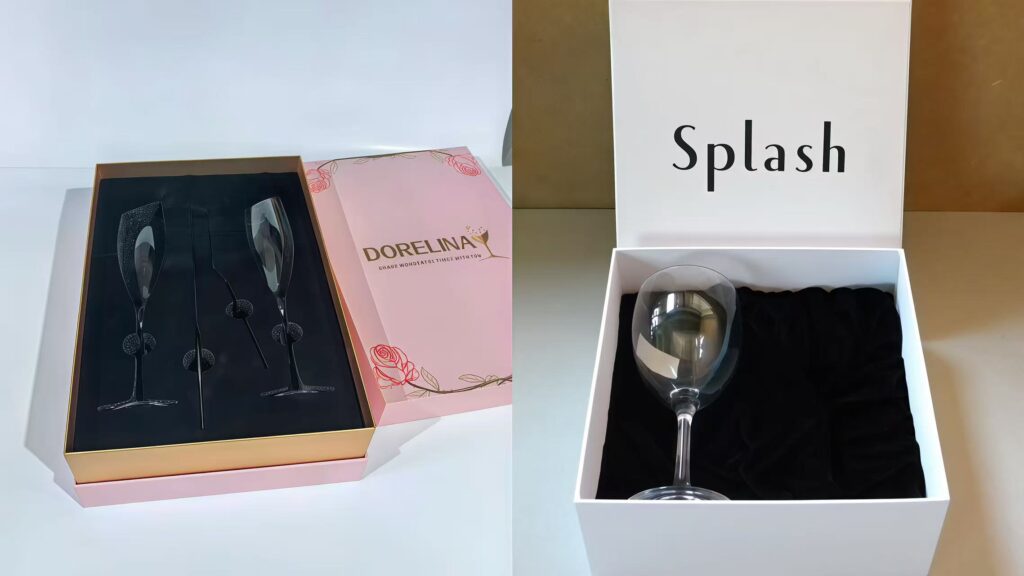
Packaging deserves particular attention when buying glassware for export.
The right packing method depends on the product shape, glass thickness, order quantity and shipping conditions. A tall champagne flute may need a different arrangement from a heavy beer mug or a short tumbler.
Before confirming an order, clarify:
- How many pieces are packed in each inner box or carton
- Whether dividers or individual protective packaging are used
- The carton dimensions and gross weight
- Whether the packaging is suitable for the intended shipping method
- How damaged goods or breakage claims will be handled under the agreed terms
If you are buying for retail, ask whether the packaging is suitable for display or resale. If the order is for a restaurant or hotel, practical bulk packaging may be more appropriate.
For a new supplier or a product you have not ordered before, it is worth reviewing the packing details before production is completed.
6. Confirm Logo Customisation and Repeat-Order Details
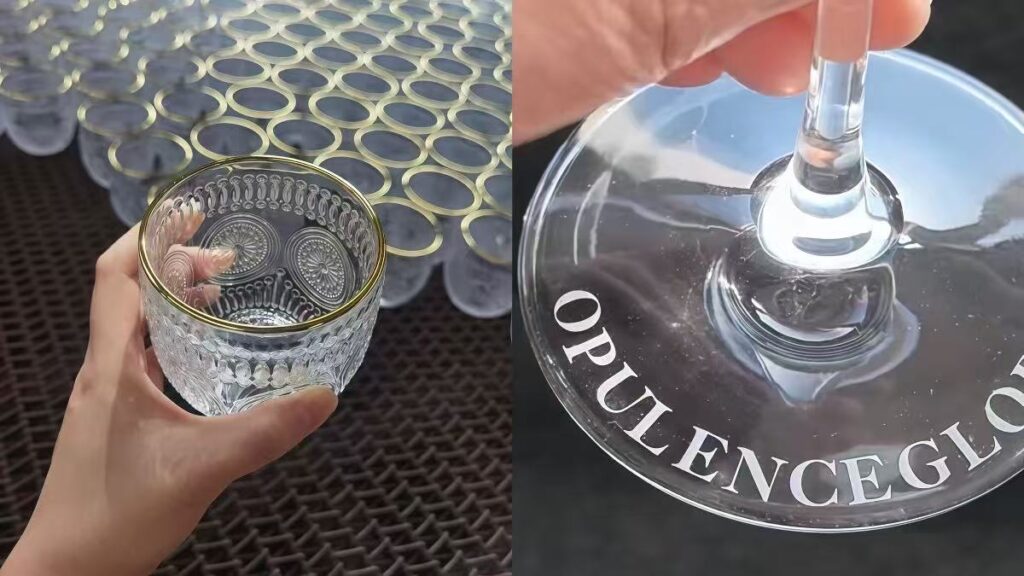
Many commercial buyers need more than standard glassware. Restaurants may want their logo on drinking glasses, while distributors may require specific colours, decoration or retail packaging.
If customisation is important, ask the supplier which methods are available for the particular product. Options may include logo printing, decals, engraving or other decoration methods, depending on the glass and the production process.
Before approving a customised order, confirm the artwork, logo size, placement, colour and any associated charges. A sample or production proof can help avoid misunderstandings.
Keep a record of the approved specifications. When you reorder, this information gives both sides a clear reference for the next shipment.
It is also useful to ask whether the supplier can support changes in quantity or packaging as your business grows.
7. Check Communication and Export Support
Good communication matters throughout the order, not just when the quotation arrives.
A reliable supplier should be able to explain product specifications, identify what needs confirmation and provide clear information about lead times and packing arrangements.
Before placing a large order, consider asking:
- Can the supplier provide complete product specifications?
- Can it confirm the packaging and carton information?
- Are production or dispatch lead times clearly stated?
- Who will handle order updates and shipping coordination?
- What documents and shipping terms will be agreed for the order?
You should also clarify the supplier’s role. Some companies manufacture their own products, while others work with specialist factories and manage product sourcing, quality coordination and export services.
Neither arrangement automatically guarantees a better result. What matters is whether the supplier can explain its process, provide accurate information and meet the requirements agreed for your order.
Before You Request a Quotation
To help a supplier prepare a useful quotation, provide as much of the following information as you can:
- Product type or reference photos
- Required capacity and approximate dimensions
- Estimated order quantity
- Preferred packaging
- Logo or customisation requirements
- Destination country
- Target delivery date, if you have one
You do not need to have every detail finalised before making an enquiry. Even a shortlist of products and an estimated quantity can be a good starting point.
Looking for Glassware for Your Business?
At Airuijia Glassware, we work with commercial buyers looking for glassware for wholesale, distribution, restaurants, hotels, bars and other business applications.
Our product range includes wine glasses, champagne flutes, beer glasses, whiskey glasses, tumblers and other glassware styles. Product specifications, order quantities, packaging and customisation options can be discussed according to the items you need.
If you have a product list, reference photos or an estimated order quantity, send them to us. We can review your requirements and discuss suitable options for your business.
Contact Airuijia Glassware to discuss your wholesale glassware requirements.