
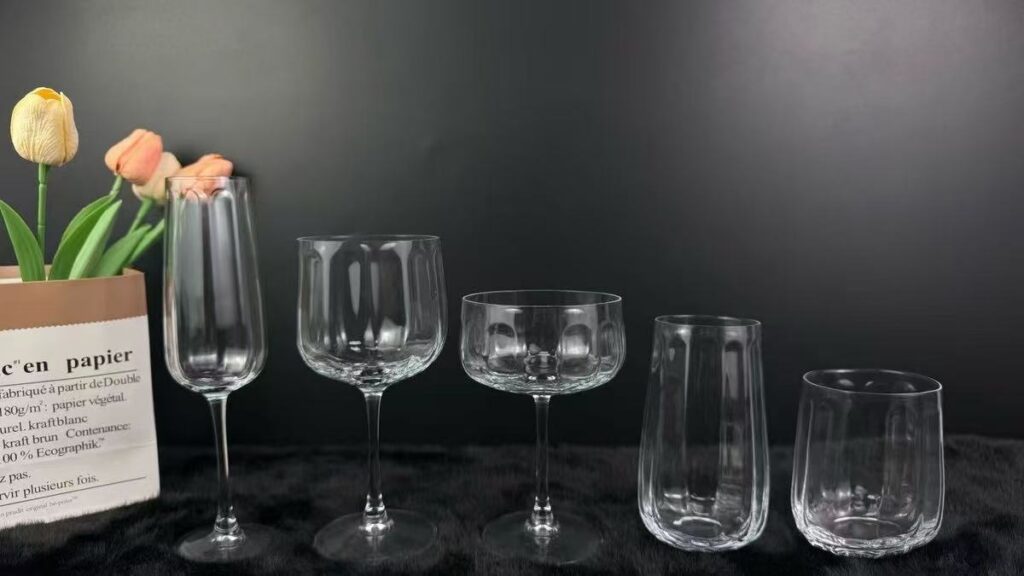
Stemmed vs Stemless Wine Glasses is a common consideration for restaurants, bars, hotels and other businesses buying glassware in bulk. Both styles have their place, but they are not always suitable for the same service environment.
Traditional stemmed glasses are widely used for wine service, while stemless glasses offer a different look and can be practical in certain casual dining settings. For wholesale buyers, the right choice depends on how the glasses will be used, how they will be stored and what customers expect.
Before placing a bulk order, it is worth looking at the differences beyond appearance.
1. What Is the Difference Between Stemmed and Stemless Wine Glasses?
The main difference is the shape and how the glass is held.
A stemmed wine glass has a bowl, a stem and a base. The user normally holds the glass by the stem, keeping their hand away from the bowl. This is the familiar style used in many restaurants, hotels, wine bars and formal dining settings.
A stemless wine glass has a bowl-shaped body with a flat base and no separate stem. It is often chosen for casual dining, informal gatherings and venues that prefer a simpler, more contemporary table setting.
Neither design is automatically better for every business. The important question is which style fits your service requirements and customer expectations.
2. Stemmed Wine Glasses: A Traditional Choice for Wine Service
Stemmed wine glasses remain a common option for restaurants, hotels, wine bars and catering businesses.
Their shape creates a familiar presentation for red and white wine service. Different bowl shapes and capacities also give buyers flexibility when selecting glassware for different menus and price points.
For example, a restaurant may choose larger-bowl glasses for red wine and smaller or more compact styles for white wine. The actual choice should depend on the drinks served, the portion sizes and the venue’s preferred presentation.
There are a few practical points to consider when buying stemmed wine glasses in bulk.
Table presentation: Stemmed glasses are often associated with traditional restaurant and hotel table settings. They can be a good fit when the venue wants a more formal appearance.
Handling and storage: The stem and base affect how glasses are held, placed on trays and stored. Buyers should consider available shelf space and the way staff handle glassware during busy service periods.
Packaging and transport: The shape of a stemmed glass needs suitable protective packaging. Ask the supplier how the glasses are packed and whether the carton arrangement is appropriate for export.
Stemmed wine glasses are a sensible starting point for businesses that want a familiar wine-service style across their dining areas.
3. Stemless Wine Glasses: A Practical Option for Casual Settings
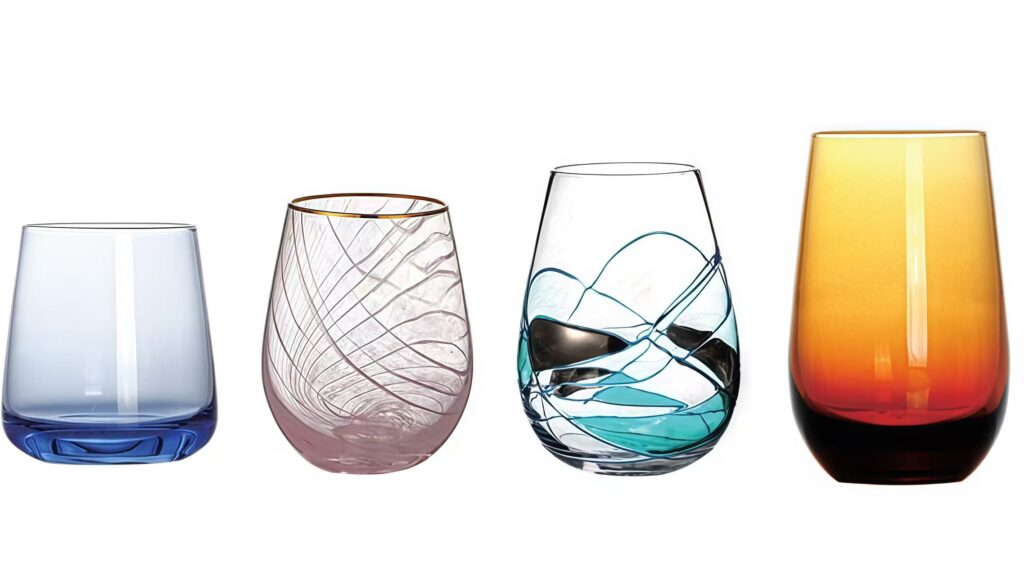
Stemless wine glasses offer a different balance of appearance and handling.
Without a separate stem, the glass has a more compact overall shape. Some buyers prefer this look for casual restaurants, outdoor dining areas, tasting rooms and informal hospitality settings.
For a business, the decision should still be based on actual use rather than appearance alone.
A more casual presentation: Stemless glasses can suit venues that favour relaxed dining or a less formal table setting.
Storage considerations: Their shape may make some storage arrangements easier, depending on the glass dimensions and available shelving. However, actual storage capacity should be checked using the product’s measurements rather than assumed from its appearance.
Handling preferences: Some customers and staff prefer the way a stemless glass sits in the hand. Others prefer a traditional stemmed glass. If the product is intended for frequent commercial use, a sample can help you assess its feel and handling before committing to a large order.
Stemless glasses are not simply a cheaper or more durable replacement for stemmed glasses. Their suitability depends on the design, glass thickness, quality and service environment.
4. Which Style Is Better for Restaurants, Bars and Hotels?
There is no single answer for every hospitality business. Consider the type of venue and how the glassware will be used.
Restaurants and hotels
For traditional table service, stemmed wine glasses are often a natural choice. They work well with established wine-service settings and can be selected in different capacities for different menus.
A restaurant with a more relaxed concept may also use stemless glasses, particularly for casual wine service or selected menu items.
Wine bars and tasting rooms
Presentation can be important in these environments. Stemmed glasses are a familiar option, although the final selection should reflect the venue’s service style and the types of wine being served.
Casual dining and outdoor service
Stemless glasses may be worth considering when a business prefers a less formal look. For outdoor or high-traffic settings, buyers should evaluate the actual product specifications and handling requirements rather than assuming either style is automatically more durable.
Retailers and distributors
For resellers, customer demand is an important factor. Some customers look for traditional wine glasses, while others prefer stemless designs for everyday use or gifting.
If you are buying for resale, comparing several styles and capacities may help you build a range that serves different customer preferences.
5. Are Stemless Wine Glasses More Durable?
This is a question worth checking carefully before placing an order.
A stemless wine glass does not have a separate stem, so it avoids the particular breakage risk associated with that part of a stemmed glass. However, that alone does not prove that every stemless glass is more durable overall.
Durability also depends on the glass design, wall thickness, base construction, manufacturing quality, handling and washing conditions.
For commercial buyers, it is better to compare the actual products than to rely on the style alone.
When reviewing samples, look at the following:
- Overall dimensions and weight
- Rim finish and base construction
- Consistency between samples, where multiple pieces are available
- Suitability for the intended washing and handling process
- Packaging and protection during transport
If the glasses will be used in a restaurant or hotel, explain the expected use to your supplier. This helps you select a product that matches the requirements of the venue.
6. What Should Wholesale Buyers Check Before Ordering?
Once you have decided which style is appropriate, the next step is to compare the available products and quotations.
Capacity and dimensions
Check the stated capacity, height, rim diameter and base dimensions. Two glasses with a similar appearance may have different specifications, which can affect presentation, storage and the amount of wine served.
Product weight and feel
Weight can influence how a glass feels in the hand and how it is handled during service. If this matters to your customers, request samples before confirming a large order.
MOQ and pricing
Ask for prices based on your expected quantity. If you are considering several designs, confirm whether the minimum order quantity applies to each style or to the total order.
Packaging
Ask how many pieces are packed per carton, whether dividers or individual protection are used, and what the carton dimensions and gross weight will be. These details are important when calculating freight and planning warehouse storage.
Customisation
If you need a logo, confirm the available decoration method, artwork requirements, additional costs and production lead time. Approve the design before mass production begins.
Repeat orders
If you expect to reorder, keep a record of the approved product specifications, packaging and decoration. Clear records make it easier to discuss future orders and reduce avoidable misunderstandings.
7. Should You Buy Stemmed or Stemless Wine Glasses in Bulk?
If your business mainly serves traditional restaurants, hotels or wine bars, stemmed wine glasses may be the more familiar starting point.
If you supply casual dining venues, lifestyle retailers or customers who prefer a contemporary look, stemless glasses may be a useful addition to your range.
Some businesses may benefit from offering both styles. The decision should be based on customer demand, storage space, product suitability and expected order volume.
For distributors and importers, it is worth comparing actual specifications and quotations before deciding how much of each style to purchase. A sample order or product evaluation can also help you understand which designs are best suited to your market.
Looking for Wholesale Wine Glasses?
At Airuijia Glassware, we supply a range of glassware options for wholesalers, distributors, restaurants, hotels, bars and other commercial buyers.
If you are sourcing stemmed wine glasses, stemless wine glasses or other glassware styles, share your preferred designs, estimated quantity and destination market with us.
We can discuss available product options, specifications, packaging and customisation requirements according to your needs.
Contact Airuijia Glassware to discuss your wholesale wine glass requirements.